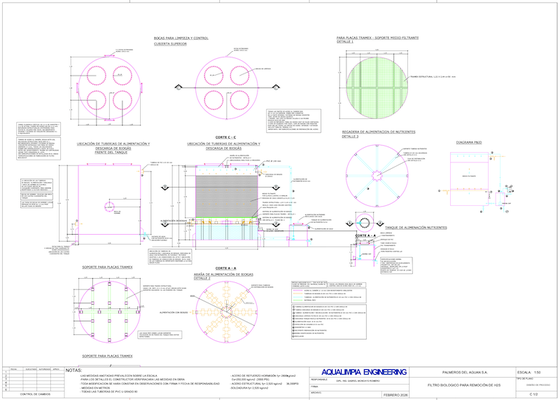
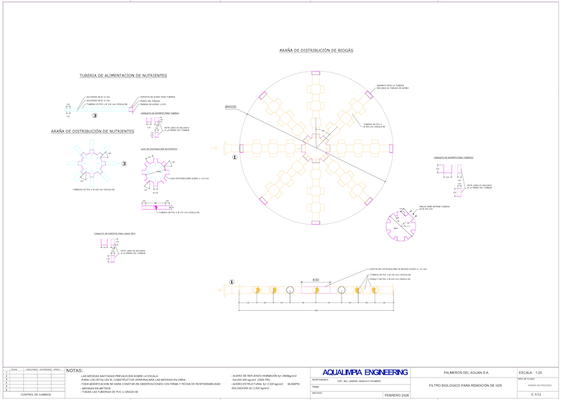
hydrogen sulfide (H2S) REMOVAL
The Critical Need for H2S Removal in Biogas Conditioning
Removing Hydrogen Sulfide (H2S) is a critical step in biogas conditioning. This gas is not only toxic but also highly corrosive when it comes into contact with moisture, forming Sulfuric Acid (). If H2S is not removed before the biogas reaches a generator, blower, or boiler, it leads to catastrophic mechanical failure and prohibitive operational costs.
1. Internal Combustion Engines (Gensets)
The engine is the most expensive component of a biogas plant and the most sensitive to chemical attack.
-
Rapid Acidification of Lubricating Oil: H2S bypasses piston rings and enters the crankcase, where it reacts with water to form sulfuric acid. This neutralizes the oil's Total Base Number (TBN), degrading the lubricant in a fraction of its intended lifespan. This results in oil change intervals that are 3 to 5 times more frequent, drastically increasing OPEX.
-
Corrosion of Yellow Metals: Sulfuric acid aggressively attacks copper and brass found in bearings, bushings, and oil coolers, leading to sudden structural failures.
-
Damage to Cylinder Heads and Valves: Acidic condensation causes "pitting" on valve seats and cylinder liners, leading to loss of compression and premature engine overhauls.
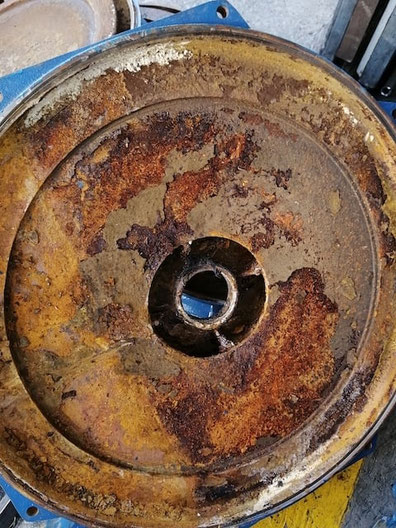
2. Blowers and Compressors
Blowers are the "heart" of the gas transport system, and their high-speed moving parts are highly susceptible to corrosion.
-
Impeller Erosion: Micro-pitting on the surface of high-speed impellers causes mechanical imbalance. This leads to increased vibration, which eventually destroys bearings and mechanical seals.
-
Seal Degradation: H2S reacts with standard elastomers, causing O-rings and seals to harden and crack, resulting in dangerous biogas leaks into the machine room.
3. Boilers and Heat Exchangers
-
Acid Dew Point Corrosion: In the cooler sections of a boiler's heat exchanger, sulfurous vapors condense into liquid sulfuric acid. This "eats" through carbon steel tubes and plates, often leading to internal leaks and pressure vessel failure.
-
Soot and Scaling: Combustion of high-sulfur gas creates a thick, acidic soot that coats burner nozzles and fire tubes, reducing thermal efficiency and requiring frequent manual cleaning.
4. Emissions and Compliance
-
Sulfur Dioxide () Production: During combustion, H2S is converted into SO2. Many regions have strict legal limits on these emissions due to their role in acid rain and respiratory health issues. Failure to scrub H2Scan lead to heavy environmental fines or the forced shutdown of the facility.
Biological Scrubbers (Biodesulfurization)
“Sustainable and cost-effective desulfurization through nature.”
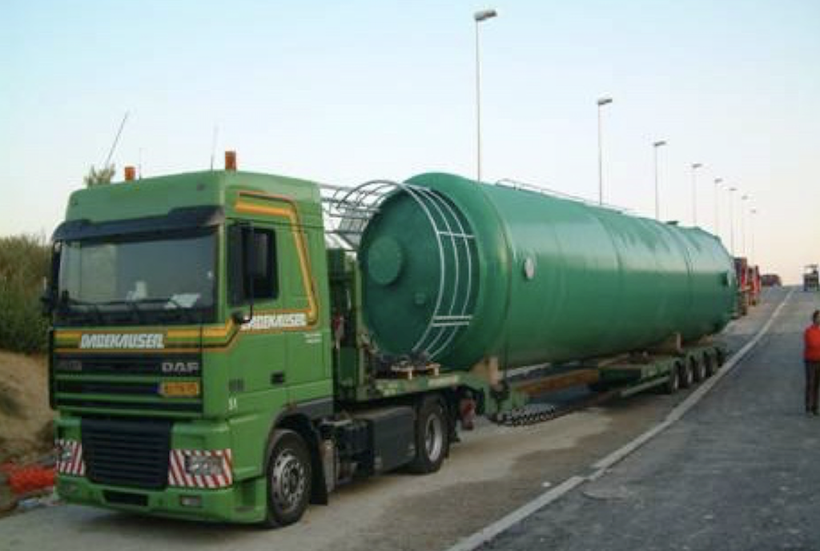
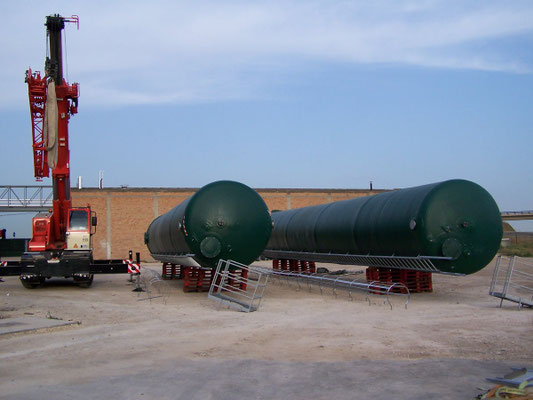
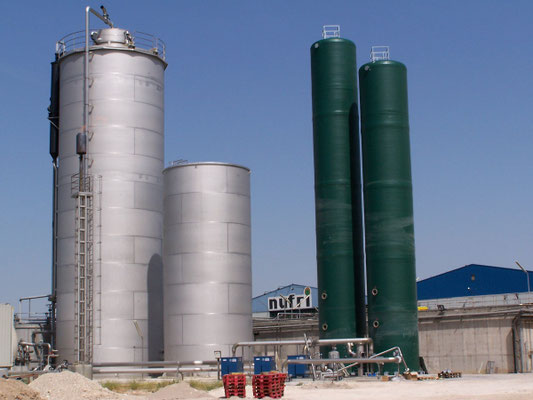
Systems that use specialized bacteria to "clean" the gas with low operating costs. his system uses a tower filled with plastic media where specialized bacteria live. As biogas flows through, these microorganisms "consume" the H2S, converting it into solid sulfur or sulfates. It is highly efficient for high sulfur loads with very low operating costs.
Biological scrubbers utilize specialized microorganisms (sulfur-oxidizing bacteria) to convert H₂S into sulfuric acid or elemental sulfur. This process happens within a packed tower where biogas flows counter-current to a nutrient-rich liquid.
Key Benefits:
- Low OPEX: Significant reduction in operational costs compared to chemical or carbon-only systems, as it minimizes the need for expensive media replacement.
- High Capacity: Engineered to handle very high H₂S concentrations (up to 20,000 ppm) common in raw biogas from agro-industrial waste.
- Eco-Friendly: A green technology that avoids the use of harsh chemicals, relying instead on natural biological degradation.
- Durability: Built with corrosion-resistant materials (HDPE/GRP) designed to withstand the acidic environment of the desulfurization process.
biological h2s removal filter
Activated Carbon Filters (Polishing & Trace Removal)
“High-efficiency removal for ultra-clean biogas.”
Activated carbon filtration is the gold standard for the final treatment of biogas. These filters use specialized, impregnated carbon media to physically and chemically adsorb H₂S molecules.
Key Benefits:
- High Precision: Capable of reducing H₂S concentrations to near-zero levels (<1 ppm), protecting sensitive CHP engines and upgrading systems.
- Simplicity: A "plug-and-play" solution with no water or chemical consumption required during operation.
- Reliability: Ideal as a secondary "polishing" step after a biological scrubber or as a standalone solution for low-to-medium H₂S loads.
- Versatility: Effective at removing other impurities, such as siloxanes and VOCs, ensuring comprehensive gas quality.
Custom Design & Engineering Services: Optimize Your H₂S Filtration Costs
Beyond providing standard solutions, we specialize in Detailed Engineering and Custom Design for H₂S removal systems. Our goal is to empower your project by reducing manufacturing costs through precision engineering and expert guidance.
By choosing our design services, you gain access to a comprehensive technical package that allows for local fabrication or more competitive procurement without compromising quality. Our service includes:
-
Detailed Engineering & Blueprints: Fully dimensioned 2D CAD drawings and P&IDs ready for manufacturing and assembly.
-
Comprehensive Documentation: We provide exhaustive Operation and Maintenance (O&M) manuals to ensure the long-term efficiency of your system.
-
Technical Specifications: Precise datasheets for all components—from internal packing media and specialized carbon to pumps, sensors, and blowers.
-
Virtual Supervision & Consultancy: Our experts provide remote oversight during the fabrication and installation phases, ensuring that every specification is met and the system is commissioned correctly.
Lower your CAPEX by leveraging our expertise. We design the technology; you control the manufacturing.