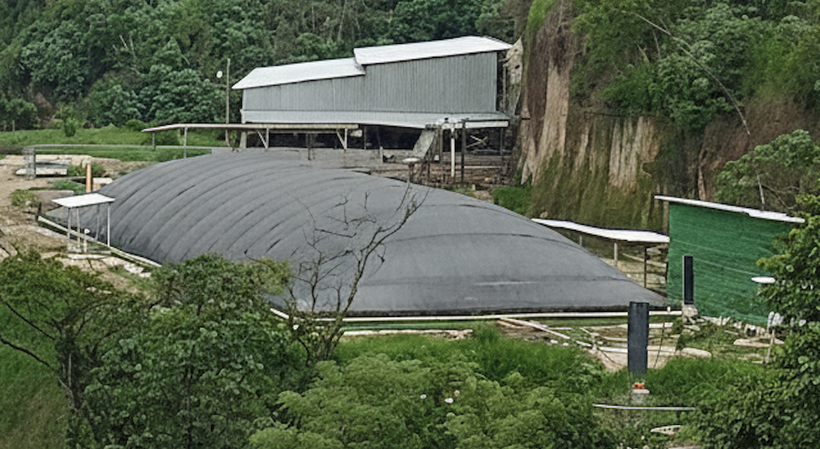
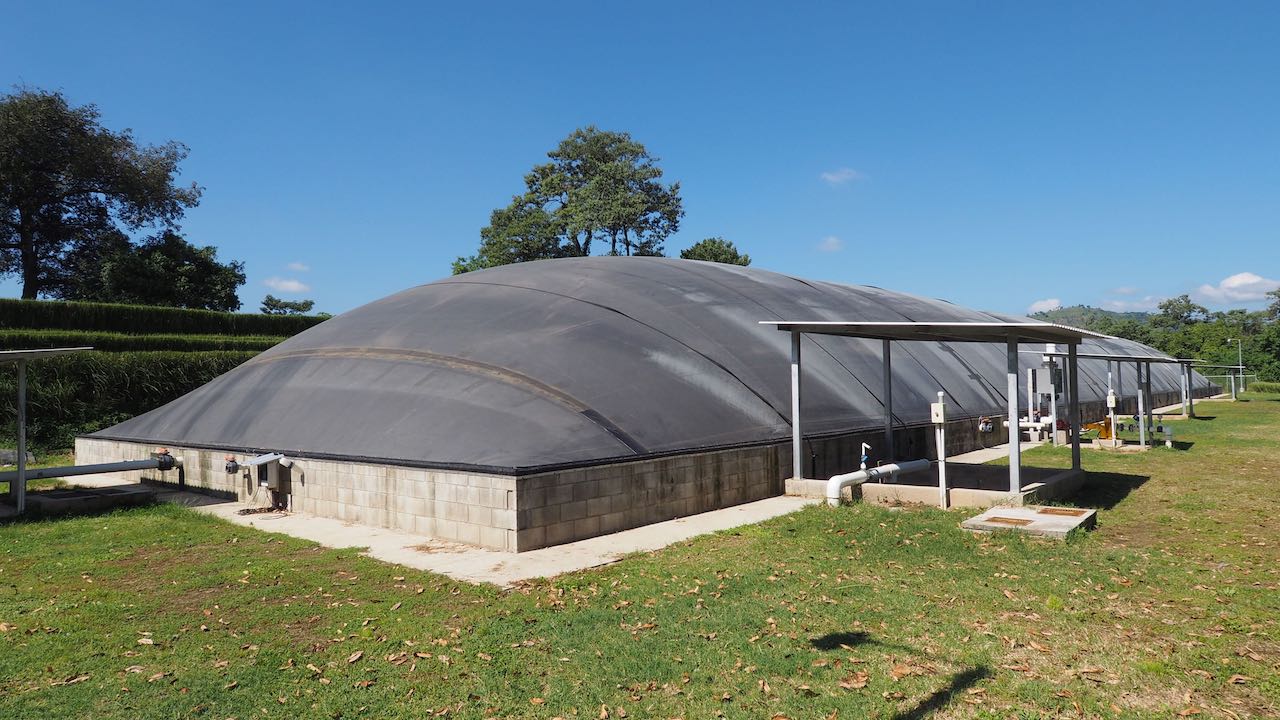
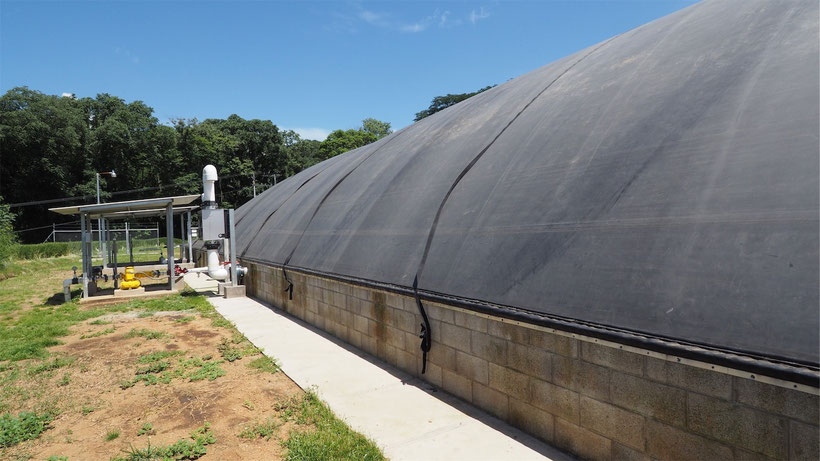
covered lagoon digester for chicken manure
biogas from chicken manure
biogas from layer chicken farms - biogas from poultry litter - poultry waste
¡ UNLOCKING THE POTENTIAL OF PURE POULTRY WASTE:
FROM ENVIRONMENTAL CHALLENGE TO ENERGY SOLUTION !
Traditionally, using pure poultry waste (chicken droppings) for biogas production was considered nearly impossible. Its high nitrogen content and low Carbon-to-Nitrogen (C:N) ratio often inhibited the anaerobic digestion process, leading to operational failures.
The Environmental Challenge
- Untreated poultry waste poses a significant risk to public health and the environment:
- Contamination: High concentrations of nitrogen (4.48%) and nitrates contribute to the eutrophication of water bodies and groundwater pollution.
- Pathogens: It is a breeding ground for harmful bacteria, including Staphylococci and Enterobacteriaceae.
- Health Risks: Nitrate pollution is linked to serious health issues such as methemoglobinemia and the formation of carcinogenic nitrosamines.
Innovation in every process ✨
At Aqualimpia, we blend decades of engineering expertise with the power of Artificial Intelligence. Our equipment selection for poultry manure digesters is optimized through advanced AI algorithms. This allows us to analyze critical variables in real-time, ensuring maximum efficiency in waste recovery and biogas generation, while delivering world-class German-quality sustainable solutions.
From Waste to Wealth: The Evolution of 100% Pure Poultry Digestion
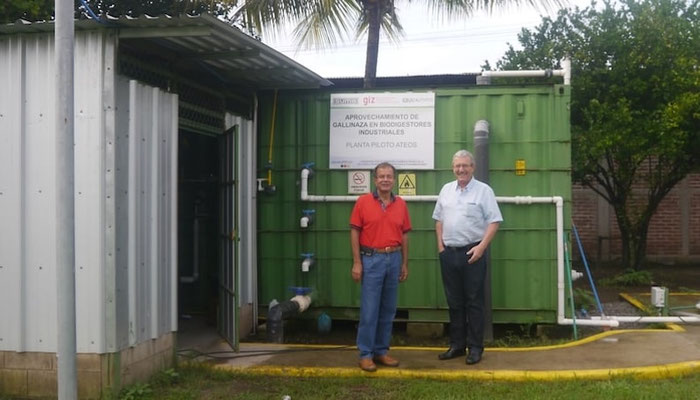
Between 2013 and 2014, Aqualimpia Engineering e.K. (AQL) led a dedicated research and engineering development program focused on one of the most technically demanding substrates in anaerobic digestion: pure poultry waste.
The project was funded by the German Government through the GIZ (DeveloPPP program) and implemented under real industrial conditions in El Salvador. Its objective was clear: to establish scientifically validated design and operational parameters for the stable digestion of high-protein, high-nitrogen poultry substrates.
The technical leadership combined industrial engineering expertise with internationally recognized scientific knowledge.
The project design and implementation involved:
- Dipl.-Ing. Gabriel Moncayo Romero, Director of Aqualimpia
- Dr. Adrianus van Haandel, internationally recognized expert in anaerobic digestion and biological wastewater treatment processes
Dr. van Haandel’s participation provided a strong scientific foundation to the engineering work. His expertise in anaerobic process modeling, reactor kinetics, sludge stability, and high-rate digestion systems contributed to:
- Optimization of organic loading rates (OLR)
- Control of ammonia inhibition in protein-rich substrates
- Stability management under tropical temperature conditions
- Long-term process resilience
- Validation of hydraulic and biological design parameters
This collaboration ensured that the final design was not only technically feasible, but scientifically validated and operationally robust.
The outcome was a field-proven, industrial-scale digestion concept specifically adapted to pure poultry waste — a substrate traditionally considered unstable and difficult to process anaerobically.
Since the completion of the R&D program, Aqualimpia has successfully developed and implemented multiple industrial-scale biodigester projects dedicated to the treatment and energy recovery of pure poultry manure.
These projects confirm that the digestion model developed during the research phase is not only scientifically sound, but commercially viable and operationally robust under real industrial conditions.
Today, Aqualimpia stands as a recognized specialist in the anaerobic digestion of pure poultry manure — a substrate traditionally considered highly challenging — supported by research-based engineering and proven industrial references.
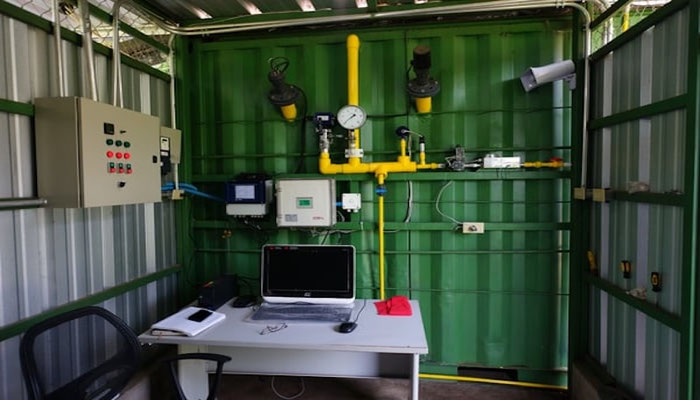
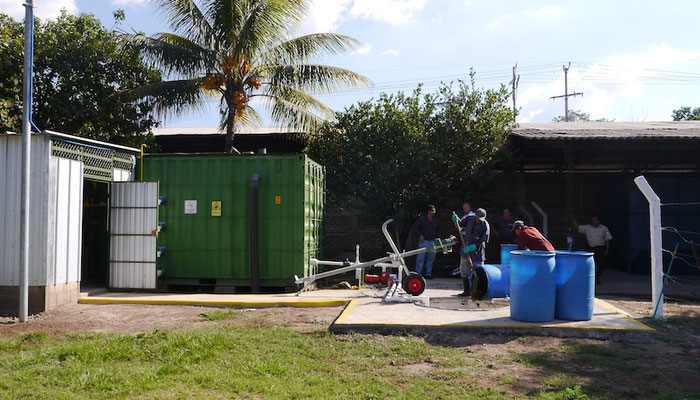
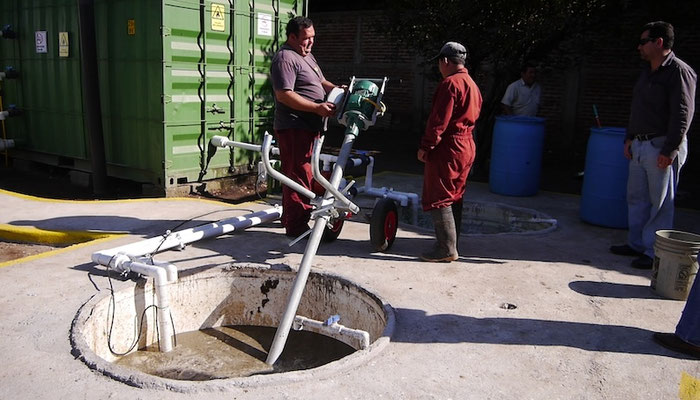
Why Choose AQL Technology?
Aqualimpia’s specialized CSTR (Continuous Stirred Tank Reactor) covered lagoon digesters are specifically engineered for the treatment of pure poultry waste under tropical and industrial conditions. Our systems combine research-based engineering, German design standards, and field-proven performance to deliver measurable technical and economic results.
High Biogas Yield and Energy Recovery
Our optimized digestion model enables biogas yields of up to 100 m³ per ton of pure poultry waste, depending on substrate characteristics and operational conditions.
Through controlled mixing, optimized hydraulic retention times, and validated organic loading rates, the system maximizes methane production while maintaining long-term process stability.
This allows:
-
Renewable electricity generation
-
Thermal energy recovery
-
Reduction of fossil fuel dependency
-
Improved energy self-sufficiency for poultry operations
Effective Waste Stabilization and Risk Mitigation
Pure poultry manure is a biologically active and potentially high-risk substrate due to pathogens, nitrogen content, and odor emissions.
The AQL digestion process ensures:
-
Biological stabilization of organic matter
-
Significant pathogen reduction
-
Controlled ammonia management
-
Odor reduction
-
Mitigation of environmental contamination risks
This enhances compliance with environmental regulations and reduces liability associated with raw manure storage and land application.
Production of Premium Organic Fertilizer
Beyond energy generation, the digestion process produces a stabilized digestate rich in nutrients such as nitrogen, phosphorus, and potassium.
Compared to raw poultry manure, the digestate offers:
-
Improved nutrient availability
-
Reduced odor
-
Lower pathogen risk
-
Better soil assimilation
-
Enhanced agronomic value
This transforms waste management into a circular economy opportunity, converting poultry residues into valuable agricultural inputs.
Designed for Industrial Reliability
AQL digesters are engineered for:
-
Long-term operational stability
-
Resistance to high ammonia concentrations
-
Tropical climate performance
-
Optimized mixing and sludge management
-
Durable European-manufactured mechanical equipment
The result is a robust, high-performance anaerobic digestion system specifically tailored for pure poultry waste, a substrate traditionally considered difficult to digest reliably.
cstr digester for POULTRY manure
Proven experience, proven energy. We’ve worked across the poultry industry to perfect the conversion of manure into biogas, delivering specialized engineering for even the most challenging poultry waste
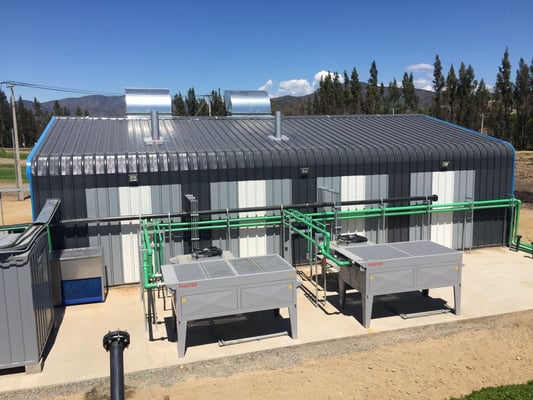
Aqualimpia Engineering e.K. has worked on the following projects for the treatment of poultry waste (poultry droppings) from caged layers in digesters. The biogas from the digester is used as fuel for generators or steam boilers.
| Project | Country | Services | Egg layers | |
| Grupo Agroindustrial | Colombia | Final design | 200,000 | |
| DACSA | Honduras | Feasibility study | 1 millon | |
| Renig SA de CV | El Salvador | Construction | 1 million | |
| Granja Avicola Wajay | Cuba | Design | 200,000 | |
| Avicolas Victoria | Guatemala | Construction | 1 million | |
| El Progreso | El Salvador | Construction | 150,000 | |
| El Granjero | El Salvador | Final design | 1 million | |
| Aviaria | Honduras | Final design | 500,000 | |
| Granjas Carger | Bolivia | Construction | 250.000 | |
| Incubadora Santander | Colombia | Feasibility study | 100,000 | |
| Granja San José | El Salvador | Construction | 150.000 | |
| Cruz Marco | Portugal / Cabo Verde | Design - equipment | 100,000 |
digester for pure chicken manure
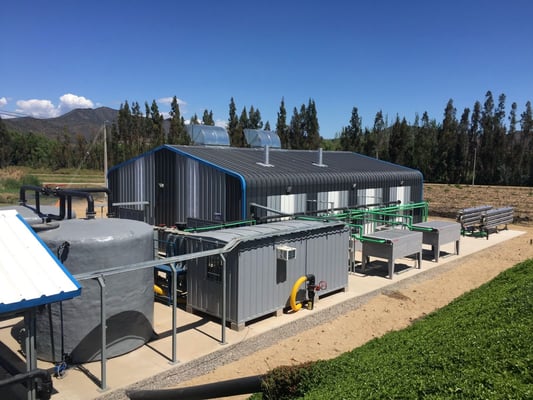
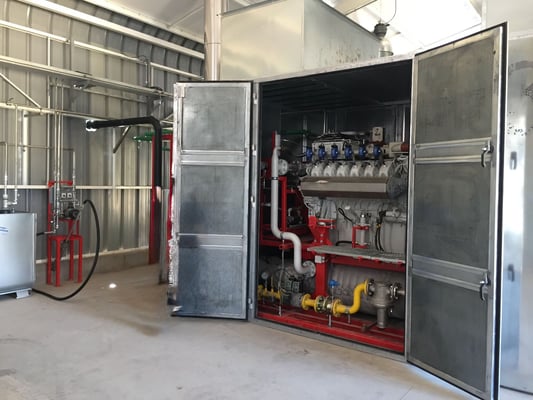
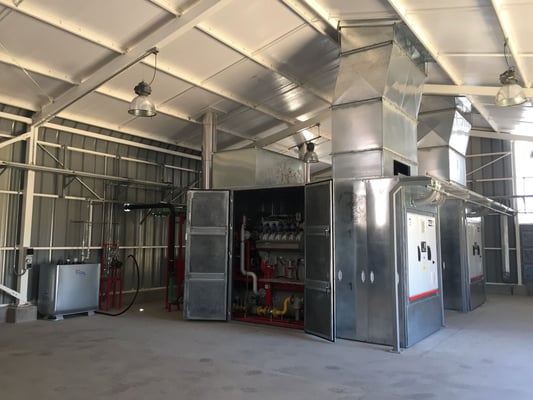
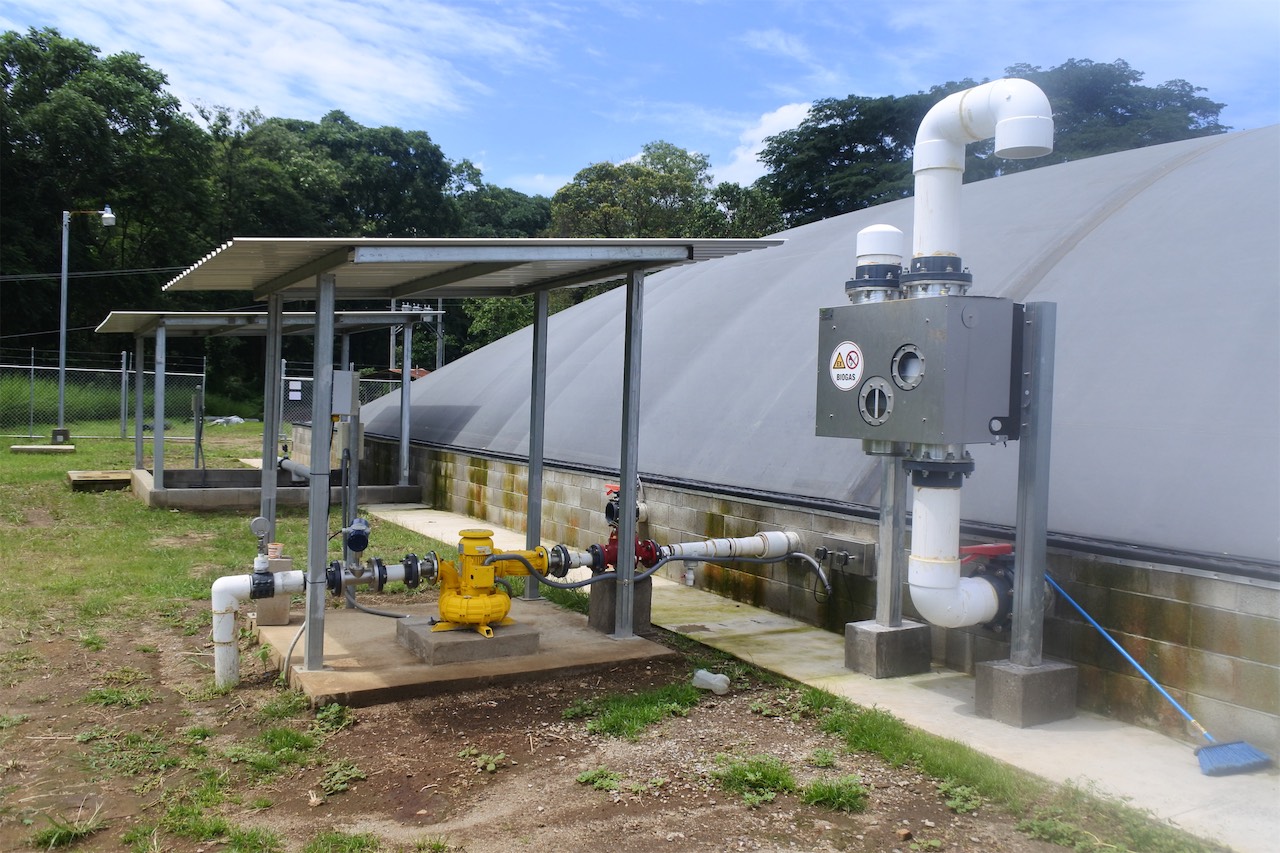
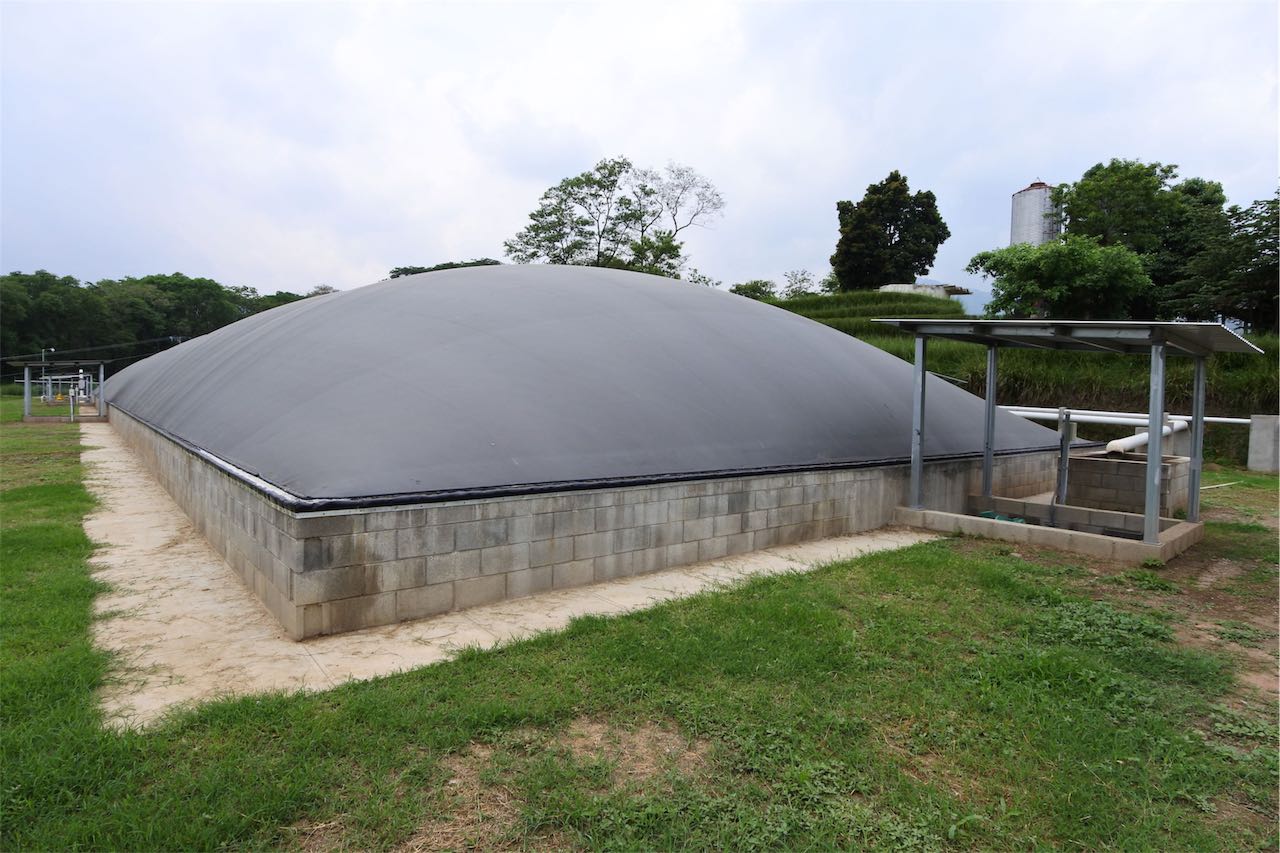
cstr digester for pure chicken manure
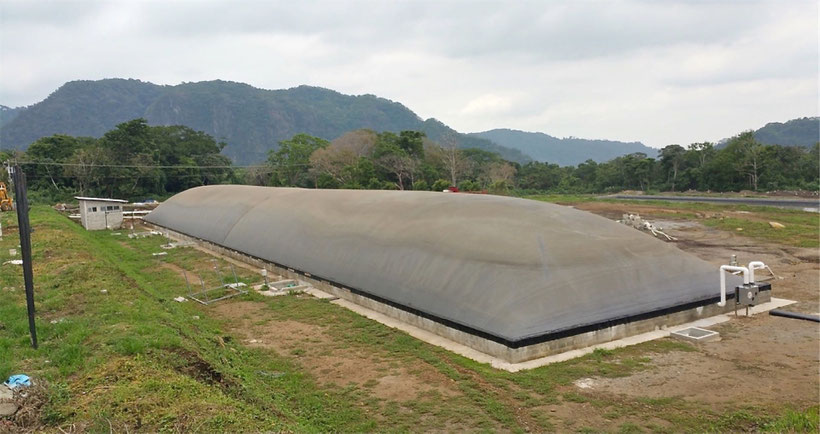
cstr digester by aqualimpia poultry and pig manure