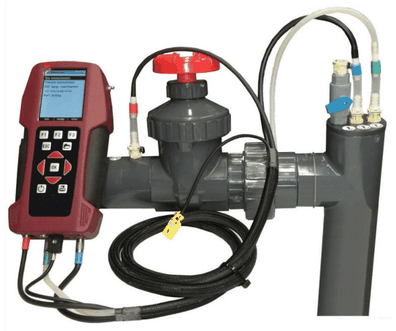
BIOGAS ANALYZER O2, CH4, H2S, CO2

Monitoring biogas composition is essential to ensure the safe and efficient operation of any biodigester.
The Methane (CH₄) content ⚡ determines the energy value of the gas: the higher its concentration, the greater the production of electricity and heat. Conversely, an increase in CO₂ usually indicates digestive imbalances and low process efficiency.
- Hydrogen Sulfide (H₂S) is highly corrosive and can damage engines, pipelines, heat exchangers, and combustion systems. Regular measurement allows for timely intervention to reduce its concentration and protect your equipment.
- Oxygen (O₂) must be strictly controlled, as its presence can create explosive mixtures and compromise plant safety. Frequent analysis helps detect air leaks, valve failures, or issues in the gas lines.
- Continuous monitoring of CH₄, CO₂, H₂S, and O₂ enables the quick identification of fermentation imbalances, prevents acidification, and allows for the correction of feeding, mixing, or temperature issues before they impact biogas production.

Furthermore, these measurements are required to comply with engine manufacturers' warranties and to evaluate the efficiency of desulfurization, drying, and purification systems.
Overall, regular biogas analysis allows for data-driven decision-making, optimizing biodigester performance, reducing operating costs, and extending equipment lifespan.
Biogas composition analysis is one of the most critical parameters that must be recorded daily in a biodigester.Through the interpretation of these parameters, it can be determined whether the biodigester is operating efficiently or if there are early signs of process inhibition.
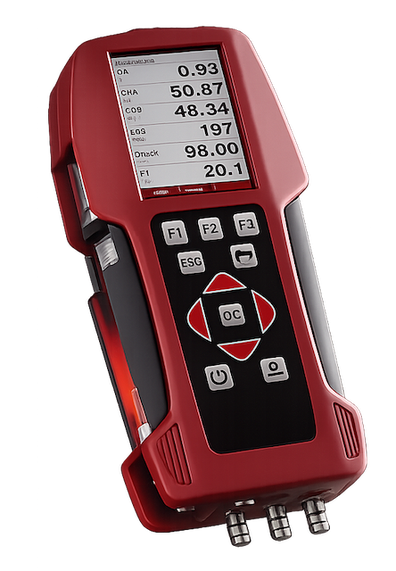
We supply German-made equipment for the precise measurement of H₂S (Hydrogen Sulfide), CH₄ (Methane), O₂ (Oxygen), and CO₂ (Carbon Dioxide) concentrations in biogas.
The Critical Role of Biogas Analysis: Precision for Performance and Safety
Our Solution: Precision German Engineering
We supply specialized, German-manufactured biogas analyzers designed for the rigors of industrial and tropical environments. These units offer long-term stability, easy calibration, and the durability required to handle high-humidity gas streams.
In the world of anaerobic digestion, what you don't measure, you can't control. Biogas composition is the most direct indicator of your biodigester's biological health and its real energy potential. However, the value of this data depends entirely on its accuracy.
At Aqualimpia, we emphasize that biogas monitoring is not just a routine task—it is a strategic necessity that must be performed with reliable, industrial-grade equipment.
Why Reliability is Non-Negotiable
Using low-quality or uncalibrated sensors can lead to misleading data, resulting in poor decision-making that could jeopardize your entire operation. Reliable German-made measurement technology ensures:
-
Engine & Infrastructure Protection: Accurate detection of Hydrogen Sulfide () is vital. Even small undetected spikes can cause irreversible corrosion in engines, turbines, and boilers. Reliable sensors allow you to manage your desulfurization systems effectively before damage occurs.
-
Operational Stability: A precise reading of the ratio is your early warning system. Reliable equipment detects biological imbalances (such as acidification) days before they become visible in other parameters, allowing for immediate corrective feeding or mixing adjustments.
-
Safety & Risk Mitigation: Detecting Oxygen () levels with high-precision sensors is the only way to prevent explosive mixtures within the system. In a tropicalized CSTR environment, where gas production is high, there is no room for error or "approximate" measurements.
-
Financial Optimization: Every percentage point of Methane (CH4) represents money. Reliable analysis ensures you are maximizing your energy yield and meeting the strict technical requirements of gas-to-power equipment manufacturers.