
The Importance of Process Control in digesters

Efficient operation of a biodigester depends on precise and continuous process control. Anaerobic digestion is a sensitive biological process where parameters such as temperature, pH, organic loading rate, mixing intensity, and gas production must remain within stable ranges.
Without proper monitoring and control, the system can quickly become unstable, leading to reduced biogas production, acidification, process inhibition, or even complete failure.
A well-designed control system allows:
-
Stable and optimized biogas production
-
Early detection of process disturbances
-
Protection of mechanical equipment
-
Improved energy efficiency
-
Longer plant lifetime
In modern biogas plants, process control is not an accessory — it is a fundamental requirement for reliability, safety, and maximum energy recovery.
Advanced Process Control Equipment for digesters
At Aqualimpia Engineering, we supply high-quality process control equipment specifically designed for demanding biogas applications.
Our instruments and control systems are manufactured in Germany and selected for their reliability, precision, and long service life. Accurate measurement of key parameters such as temperature, pH, pressure, level, and gas flow is essential to ensure stable and efficient digester operation.
We provide durable, industrial-grade components that guarantee:
-
Precise and consistent measurements
-
Long operational lifetime
-
High resistance to corrosive biogas environments
-
Reliable performance under continuous operation
With robust German-engineered instrumentation, we ensure that every biodigester operates safely, efficiently, and with maximum energy recovery.
FOS/TAC Ratio
The FOS/TAC method originated in Germany, which has long been a global leader in biogas technology and anaerobic digestion research.
The specific titration procedure was developed and standardized at the University of Hohenheim (Universität Hohenheim) in Stuttgart during the late 20th century. It was designed as a practical, low-cost way for biogas plant operators to monitor fermenter stability without needing expensive high-tech sensors.
we use the fos/tac for the process control in our digester
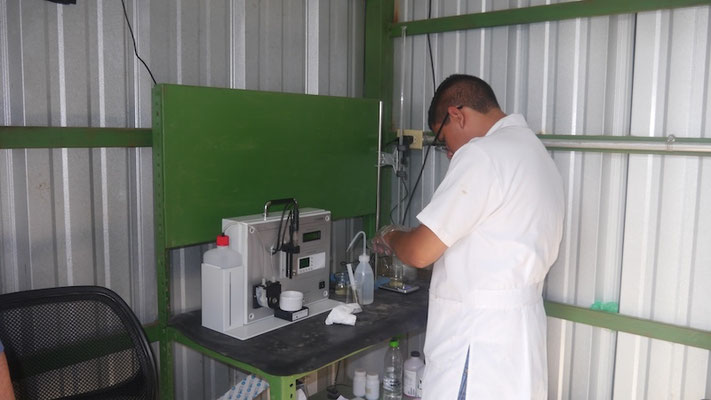

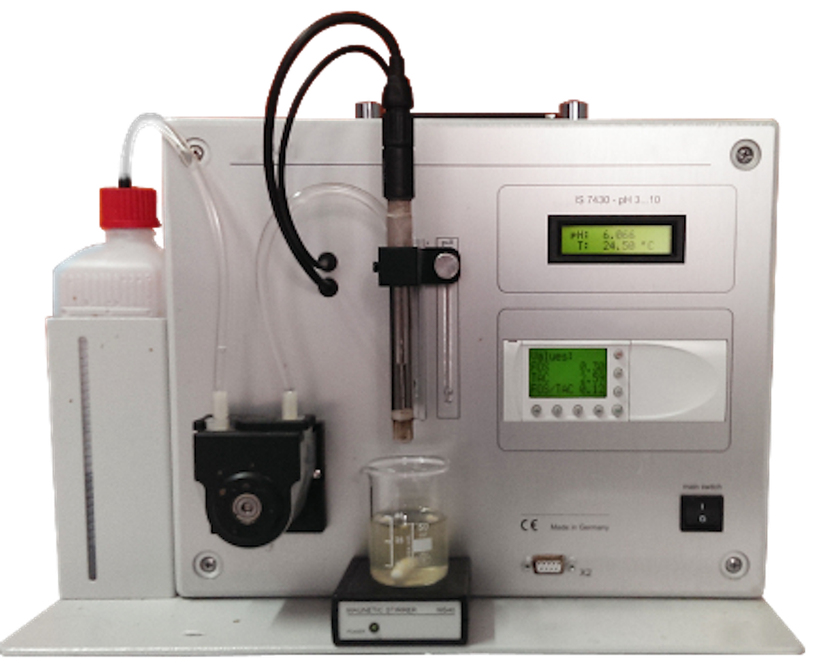
FOS/TAC is a numerical ratio used to assess the biochemical stability of a biodigestor. It compares the amount of organic acids present to the alkaline buffer capacity of the system.
FOS (Flüchtige Organische Säuren): Measures the Volatile Fatty Acids (VFA) or the "food" available for the bacteria.
TAC (Total Inorganic Carbon): Measures the Alkalinity or the "buffer capacity" that prevents the pH from dropping.
Benefits for Operation and Process Control
- Monitoring this ratio provides several key advantages for plant operators:
- Early Warning System: Unlike pH levels, which only change when a system is already crashing, FOS/TAC reveals instabilities days before they become critical.
- Feeding Optimization: It helps determine if you can increase the organic loading rate (feeding more waste) or if you need to slow down to avoid "sour" conditions.
- Preventing Acidosis: By keeping the ratio within the ideal range (typically 0.3 to 0.4 for most plants), you ensure that the methanogenic bacteria aren't overwhelmed by acid-producing bacteria.
- Maximizing Methane Yield: A stable ratio ensures the biological community is working at peak efficiency, resulting in consistent and high-quality biogas production.
Why FOS/TAC Is Critical
Anaerobic digestion is a delicate balance between acid-forming bacteria and methane-producing microorganisms. If acids accumulate faster than they are converted into methane, the digester can become unstable.
The FOS/TAC ratio allows operators to:
-
Detect early signs of overloading
-
Identify acidification risks before pH drops
-
Adjust feeding rates in time
-
Prevent process inhibition or digester failure
-
Maintain stable and optimized biogas production
Unlike pH alone, which often changes only when instability is already advanced, the FOS/TAC ratio provides an early warning signal of imbalance.
Typical Reference Values
-
0.2 – 0.3: Very stable operation
-
0.3 – 0.5: Normal operating range
-
> 0.5: Risk of overloading
-
> 0.8: High risk of acidification
Regular monitoring of FOS/TAC is essential for maintaining biological equilibrium and ensuring long-term digester performance.
In professional biogas plants, systematic FOS/TAC control is a fundamental tool for safe, efficient, and predictable operation.