
biogas Solution for organic waste
Turning Organic Waste and wastewater into Renewable Energy
Organic waste from agriculture, food processing, and livestock operations is not a liability — it is a valuable energy resource. Through anaerobic digestion, these residues are transformed into biogas, a renewable fuel that can be used to generate electricity, heat, or upgraded to biomethane.
This process delivers multiple benefits: it reduces greenhouse gas emissions, lowers odor and environmental impact, and decreases dependence on fossil fuels. At the same time, it converts waste management costs into energy savings and new revenue streams.
The result is a sustainable, circular solution that produces clean energy while returning stabilized nutrients to the soil as high-quality biofertilizer.




CSTR COVERED LAGOON DIGESTER
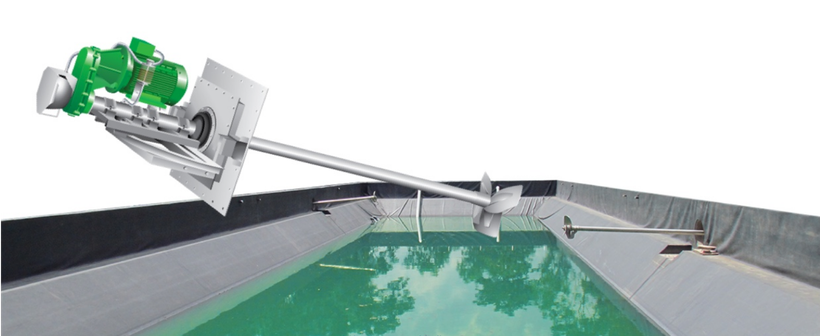
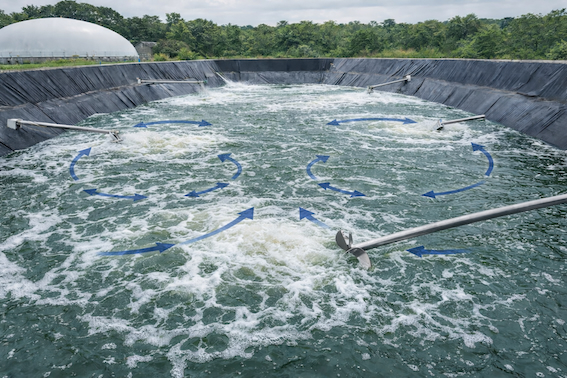
Aqualimpia (AQL) has developed a tropicalized industrial CSTR (Continuous Stirred Tank Reactor) covered lagoon digester concept specifically engineered for tropical climates, high ambient temperatures, variable rainfall conditions, and large land availability typical of many developing regions.
The process design is based on proven German anaerobic digestion technology and engineering standards. Hydraulic design criteria, mixing concepts, structural calculations, and safety philosophy follow established European best practices.
Where applicable, the system design and equipment selection comply with relevant European directives and standards, including:
-
ATEX Directive (2014/34/EU) for equipment in explosive atmospheres
-
DIN standards for structural and mechanical design
-
DVGW technical rules for gas systems and components
-
EN standards for pressure equipment and safety systems
Civil works are executed using locally available construction materials suitable for tropical environmental conditions (high UV exposure, heavy rainfall, elevated temperatures), while maintaining structural integrity in accordance with European engineering principles.
All critical mechanical and process equipment — including agitators, gas blowers, pumps, valves, safety devices, flares, and control systems — are manufactured in Germany or other European countries. Equipment is selected for long service life, corrosion resistance, operational reliability, and compliance with European quality certifications.
This combination of German engineering standards and locally optimized civil construction results in a robust, cost-efficient, and high-performance anaerobic digestion system specifically adapted for tropical industrial applications.
CSTR lagoon digester

cstr lagoon digester

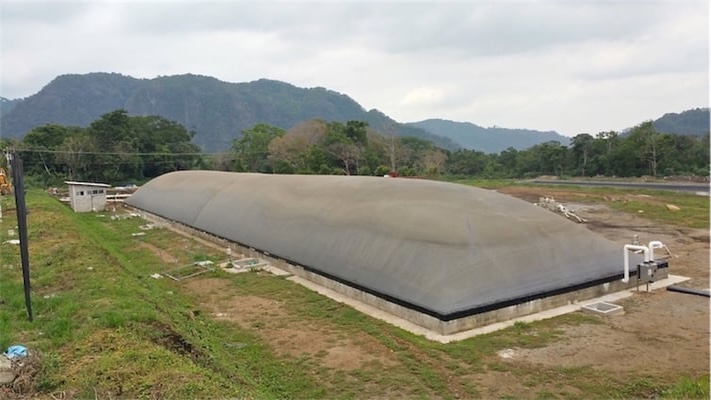
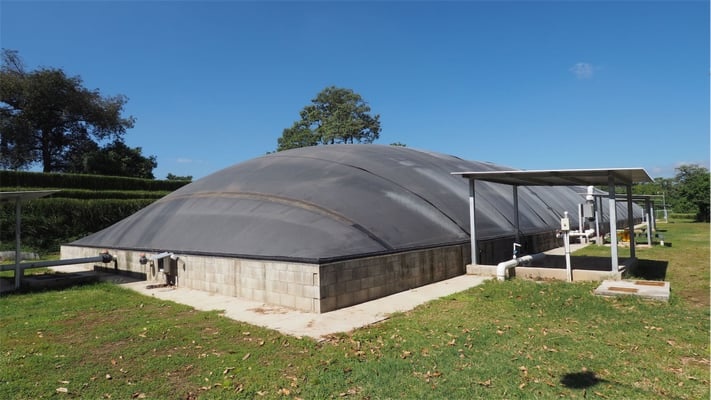

cstr LAGOON DIGESTER FOR DAIRY WASTE WATER
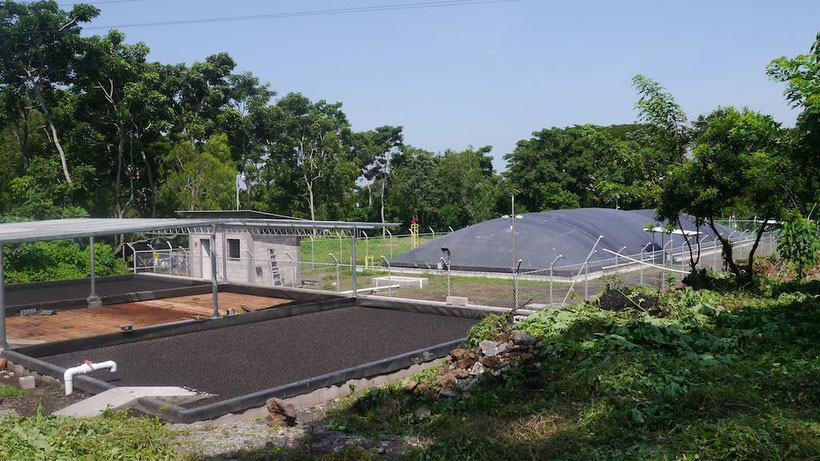
EXCELLENT RATIO BETWEEN CAPEX/OPEX/BIOGAS
PRODUCTION FOR DIFFERENT TYPES OF ORGANIC SUBSTRATES
One of the strongest advantages of modern anaerobic digestion systems is their excellent balance between capital expenditure (CAPEX), operational expenditure (OPEX), and biogas output. When properly engineered, biodigesters can deliver high and stable gas yields from a broad spectrum of organic substrates — including livestock manure, poultry litter, agro-industrial residues, food waste, and wastewater sludge — while maintaining controlled investment and operating costs.
1. Optimized CAPEX (Capital Investment)
Digesters can be designed and scaled according to substrate type, availability, and local conditions. Technologies such as covered lagoons, CSTR systems, or UASB reactors allow flexible
configuration, reducing unnecessary oversizing and ensuring that investment directly translates into productive digestion volume.
By adapting materials and construction methods to regional conditions, capital costs remain competitive without compromising durability, safety, or efficiency.
2. Controlled OPEX (Operational Costs)
Anaerobic digestion is inherently energy-efficient. Once started, the biological process requires relatively low external energy input compared to other waste treatment technologies.
Operational costs are typically limited to:
-
Mixing and pumping energy
-
Basic monitoring and control
-
Periodic maintenance
-
Nutrient balancing (if required)
In many installations, part of the produced biogas is used internally, further reducing external energy consumption and improving the net energy balance.
3. High and Stable Biogas Production
Different organic substrates offer different methane potentials, but many agricultural and agro-industrial residues provide excellent yields. Co-digestion strategies can further enhance gas
production by improving the carbon-to-nitrogen balance and biological stability.
Well-designed systems maximize:
-
Volatile solids conversion efficiency
-
Methane concentration
-
Process stability
-
Year-round gas availability
This leads to predictable energy generation and strong financial planning reliability.
4. Strong Economic Return
The combination of optimized CAPEX, low OPEX, and reliable biogas output results in:
-
Short payback periods
-
Reduced waste management costs
-
Energy cost savings
-
Potential income from electricity sales or biomethane injection
-
Added value through digestate use as biofertilizer
In summary, the excellent CAPEX/OPEX/biogas production ratio makes anaerobic digestion one of the most economically attractive and environmentally responsible solutions for managing organic waste streams across multiple industries.
Characteristics of our AD digestion plants:
High performance, less downtime, high durability and low price. Good reasons for a first-class service. Do not save money in the wrong place, but profit by short response times, high availability of spare parts and qualified consultation. We invite you to experience new quality standards for technical service.
No matter what substrates you want to use – farm slurry, food or industrial waste: The right return will convince you of our plant concepts. We do have experience in the design and construction of biogasplants for:
- Slaughterhouse residues and waste water
- Wastewater and agroindustrial processes.
- Dairy residues.
- Waste of livestock farms, poultry, pigs, dairy cattle, etc.
- African palm oil extractors (POME)
- Plasma factories, blood processing industry.
- Waste of chicken and meat processors.
- Chicken manure